
Reading Time: 8 Minutes
*This article was originally written in the weeks following the announcement of Operation FORTRESS America and reports surrounding infrastructure resilience and 90 day preparedness planning. While the circumstances that prompted this discussion may evolve, the importance of household preparedness remains relevant. Recent reports about military installations preparing to operate independently for 90 days have raised questions about our own readiness. What happens when electricity, water, food supplies, or other essential services are disrupted? Explore why preparedness matters and practical ways to make your household more resilient, without living in fear.
When the Systems We Depend On Fail: Are You Prepared?
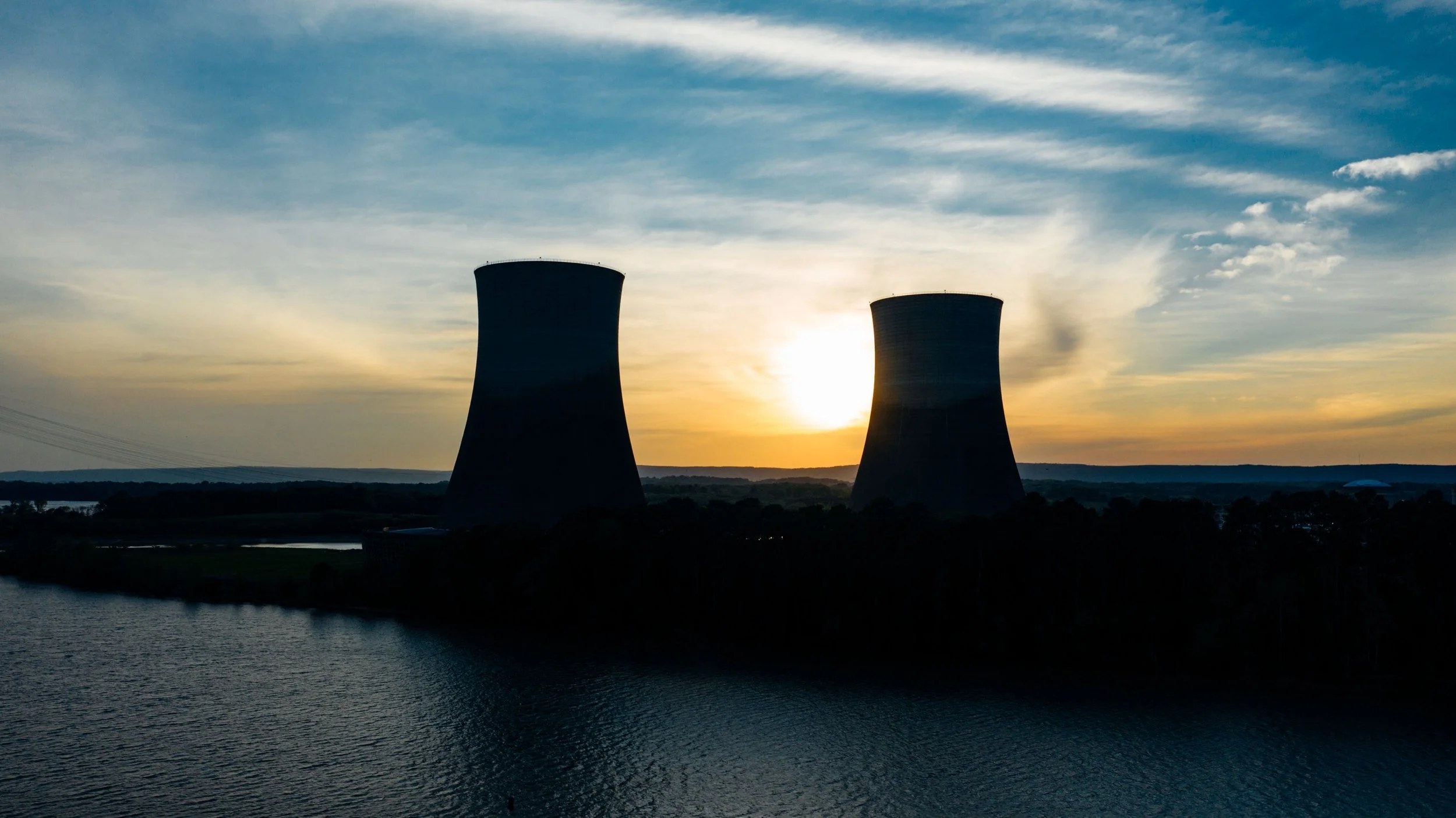
We take for granted how many systems are in place to keep our everyday lives running. What would happen if these systems were compromised?
Trust me it is not the kind of thing I love to think about or write about, I spend the majority of my life avoiding the news, but at some point you look at the state of the world and the human experience and it’s hard to not think about where things could be headed. You cannot rely on the government to save you, all systems have the potential to collapse and sometimes it feels like we are witnessing foundations crumbling.
Things we don’t think twice about like turning on a faucet, flipping a switch, running to the store could all be compromised one day, not to mention transportation networks, banking systems, internet access, fuel and so many other things.
For most of us, these conveniences have become so integrated into daily life that we rarely consider how dependent we are on them.
But we are being shown over and over in little doses what could actually happen. Please don’t take this as a desire to provoke fear, it’s quite the opposite. The more aware we are, the more time, energy and resources we have at hand to prepare. It also gets us in a mindset so we are not caught off guard. Again this is not meant to create fear but to promote self reliance, and an increased awareness so that if chaos does occur we can stay grounded.
How Does The Average Household prepare for this?
When outside systems are disrupted, how prepared are we?
Severe weather, hurricanes, winter storms, infrastructure failures, and other emergencies can disrupt essential services, it doesn’t have to be a disaster scenario so in any case it’s good to have some level of preparation in mind.
The goal is to identify the essential things your household depends on and begin building some backup options.
Preparedness is not about living in fear. It's about having options when the unexpected happens.
I created a very basic Preparedness Guide, this is by no means a comprehensive list, look at it as a starting place to get you thinking.
Things to think about when planning ahead
Water
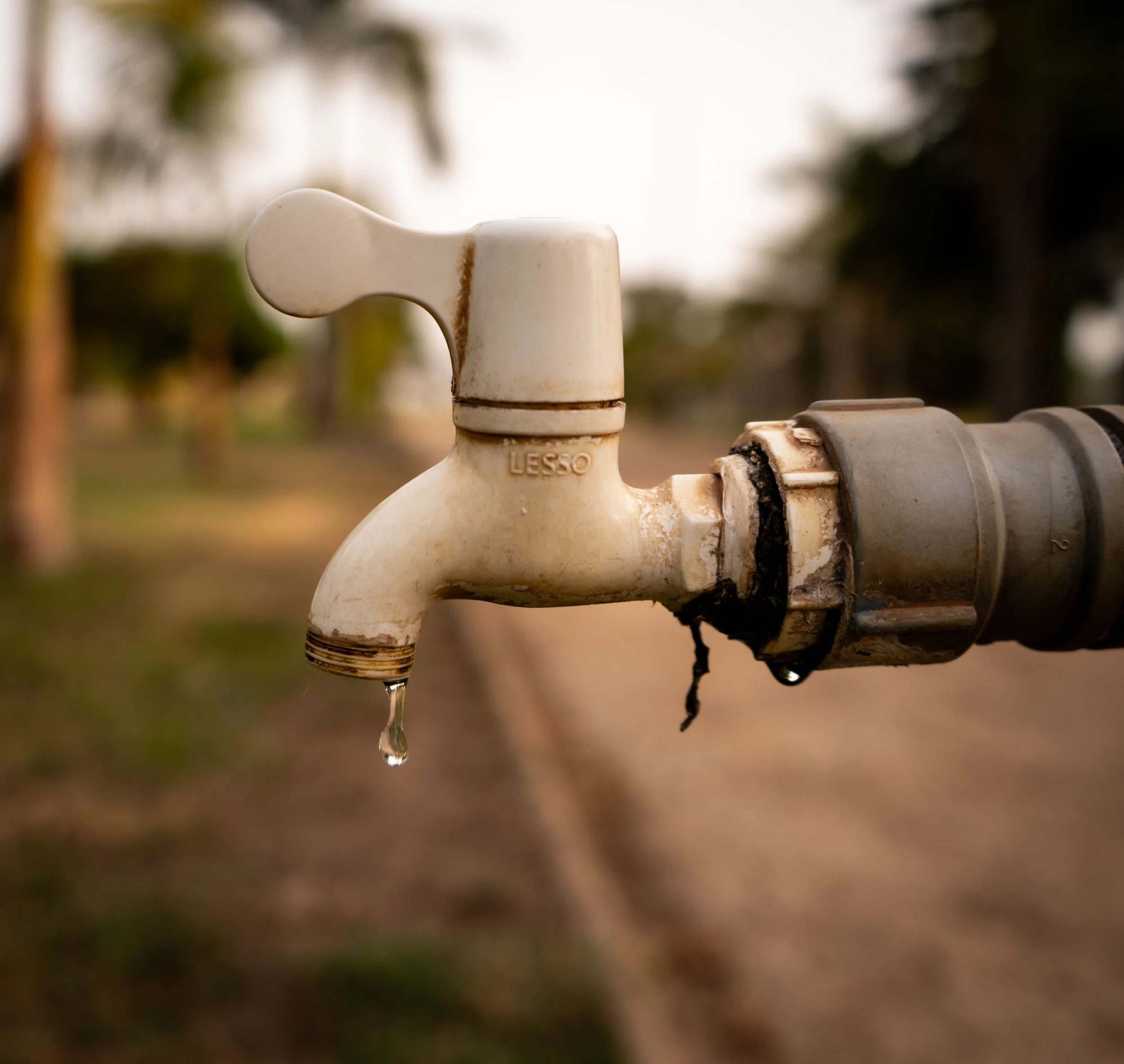
Water should be one of the first things you consider when preparing your household. We use it for drinking, cooking, cleaning, and sanitation, and most of us have very little stored at home.
There will be about 40 gallons stored in a tank if for some reason water services were compromised but after that there may not be anything left.
A commonly recommended starting point is one gallon of water per person per day for at least three days. This is a baseline, not necessarily enough for every household or situation. Hot weather, illness, pregnancy, physical activity, pets, and additional sanitation needs can increase water requirements.
Consider keeping:
Bottled drinking water
An unopened supply of gallon containers of water
Food grade water storage containers
Larger water storage containers or barrels, if you have appropriate space
Collapsible water containers for collecting or transporting water
A gravity fed water filtration system
Portable personal water filters, such as LifeStraw style filters
Water purification tablets or drops
A water filtration system that does not rely on water like a Berkey system, with extra filters
An appropriate supply of unscented household bleach for emergency water disinfection, following current public health instructions
Water filters versus purification
Not all water filters do the same thing. A personal straw style filter may reduce certain bacteria and parasites, but that does not mean it removes viruses, chemicals, heavy metals, or every possible contaminant.
Gravity filters and other household systems also vary in what they remove. Check the manufacturer's specifications rather than assuming a filter makes any water safe to drink.
Purification tablets and chemical disinfectants have their own limitations. Some products are effective against certain microorganisms but may require specific contact times or additional treatment for certain parasites.
Boiling is an effective way to kill many disease causing organisms, but it does not remove chemical contamination, heavy metals, or radioactive material. If water may be contaminated by fuel, industrial chemicals, or radioactive substances, boiling or ordinary filtration should not be assumed to make it safe.
The important thing is to understand what you have, how to use it, and what situations it is designed for.
Know where your nearest natural spring is, know where the closest body of water is in case of emergency needs.
Even if you live in a cooler climate with springs and creeks that maintain a cold temperature they are still susceptible to bacteria and microorganisms. Always boil the water first.
Food
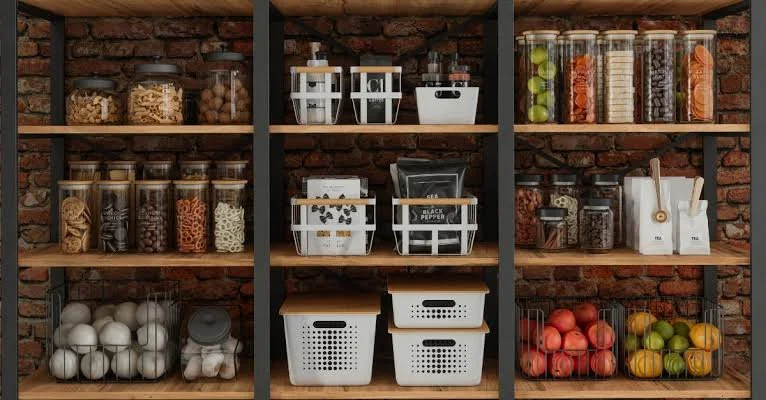
Food is another major vulnerability. Most households shop regularly rather than maintaining a substantial pantry, and many people have only a few days of food available.
A good starting point is to keep at least several days of shelf stable food on hand, gradually building a larger rotating pantry if you have the space and resources.
You do not need to purchase expensive emergency food buckets or freeze dried meals to get started. Many ordinary grocery items are suitable for emergency storage.
Each time you go grocery shopping even if you can only buy 1 extra thing to start stocking your emergency pantry that adds up. Canned foods are very cheap, things like rice and beans, gallons of water, all lower cost items that can help you start building your supply.
Foods worth keeping on hand
Proteins
Canned chicken, turkey, tuna, salmon, or other canned meats.
Canned beans, lentils, and chickpeas.
Shelf stable tofu or other shelf stable protein options, if available.
Nut and seed butters.
Nuts and seeds.
Protein powders or shelf stable nutrition drinks.
Grains and carbohydrates
Rice
Oats
Pasta
Quinoa
Crackers
Shelf stable tortillas
Cereal and granola
Instant potatoes
Fruits and vegetables
Canned vegetables
Canned fruit
Applesauce
Dried fruit
Dehydrated vegetables
Shelf stable vegetable soups
Other useful pantry items
Shelf stable milk or milk alternatives
Canned soups and broths
Cooking oil
Salt, pepper, and basic seasonings
Honey or other shelf stable sweeteners
Electrolyte powders or oral rehydration products
Shelf stable meals that require minimal preparation
A manual can opener is essential if you keep canned food. It is easy to overlook until you need it.
Think about the foods your household actually eats. If you have dietary restrictions, food allergies, young children, pets or other special nutritional needs, make sure your emergency supply accounts for those needs. Remember pet food, baby formula, and any other specialized supplies as well.
Ideally, some of your food should be ready to eat without cooking or refrigeration.
If you rely on a stove, consider what you would do if electricity or natural gas were unavailable. Outdoor cooking equipment may be useful, but grills, camp stoves, and generators must only be used in locations where they can operate safely. Never use outdoor fuel burning equipment inside a home, garage, or enclosed space.
Look around a see if there is a space where you could cook something outside if you had to, like over a fire pit.
Consider longer term food storage
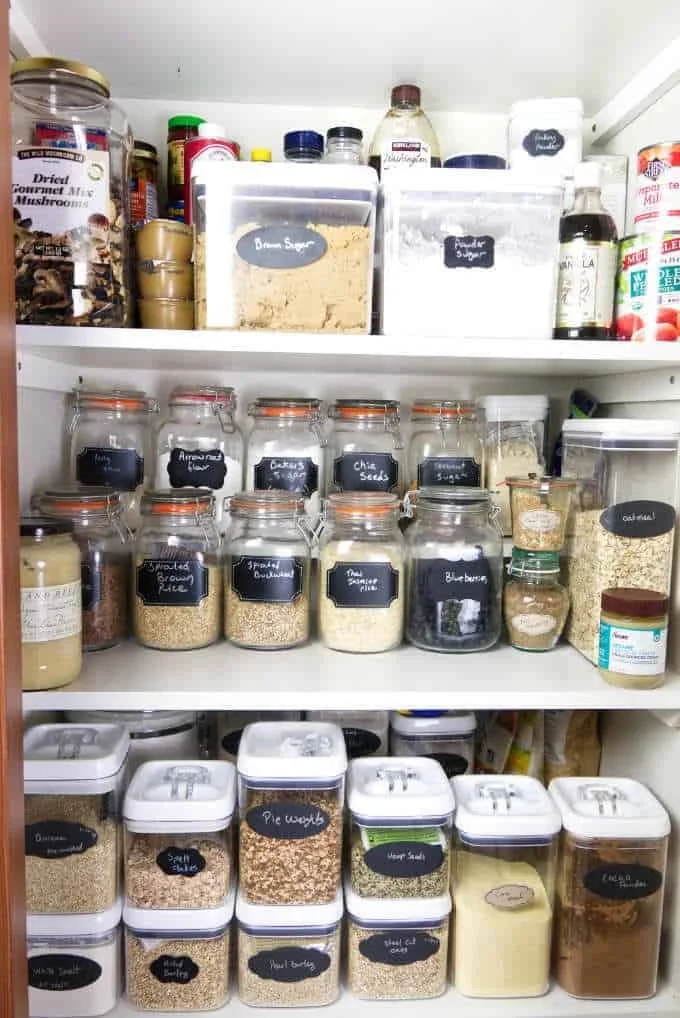
For those who want to go beyond a basic pantry, consider:
Freeze dried meals
Dehydrated foods
Bulk rice, beans, and other dry staples
Properly stored flour, oats, and grains
Home canned foods prepared using tested food preservation methods.Learning to preserve food can also be valuable. Dehydrating, freezing, fermenting, and pressure canning are useful skills, but food preservation must be done correctly. Improper home canning, in particular, can create serious food safety risks.
A rotating supply of canned goods
Check all the dates on your foods because stocking your pantry and keep it in a place that’s easy for you to revisit so you can rotate items in and out when they are nearing their expiration date.
Don't forget food safety during a power outage
Having food available is only part of the equation. You also need to know how to keep it safe.
Keep refrigerator and freezer thermometers on hand. The refrigerator should remain at or below 40°F, and the freezer at or below 0°F. If the power goes out, keep refrigerator and freezer doors closed as much as possible. An unopened refrigerator generally keeps food cold for about four hours, while a full freezer may stay cold for approximately 48 hours.
Coolers and frozen ice packs can help extend your options. Never taste food to determine whether it is safe after an outage. When in doubt, throw it out.
Power
Electricity affects nearly every part of modern life. Refrigeration, heating, cooling, communication, lighting, medical devices, and even access to water can depend on it.
Consider how your household would function without electricity for 24 hours, three days, or longer.
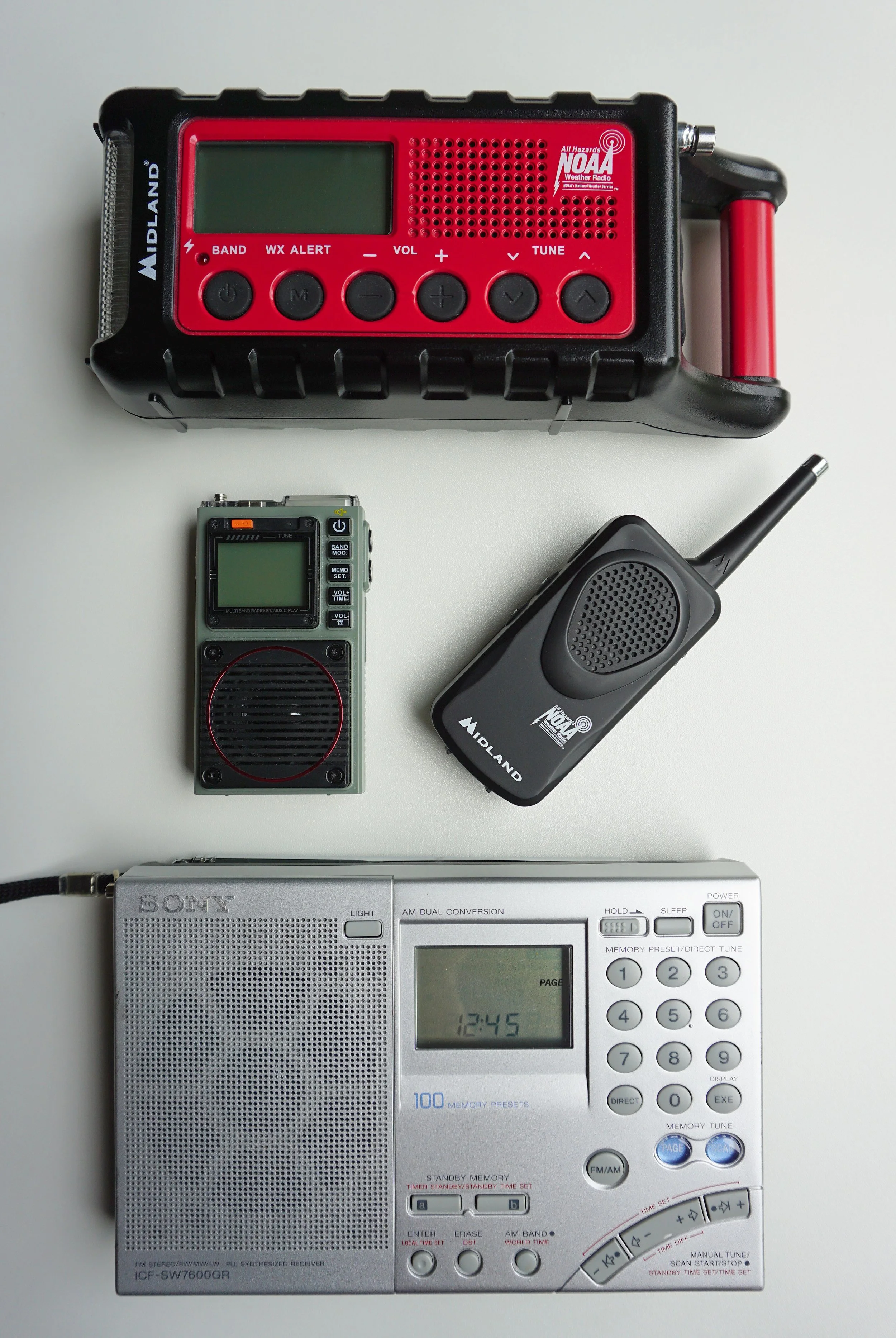
Useful supplies include:
Portable power banks for phones and small electronics
A portable power station, I like Anker and Jackery
Compatible solar panels for recharging a power station
Solar powered chargers
Battery powered or rechargeable lanterns
Flashlights and extra batteries
Rechargeable batteries and a compatible charger
USB charging cables and vehicle charging adapters
A battery powered fan or heater
Extension cords and power strips appropriate for your equipment
A way to protect your family in the event of looting or invasion
Consider keeping extra gas on hand if you needed to use your car or leave
For households with greater needs, a generator may be worth considering. Generators require careful planning, appropriate installation, and safe fuel storage. A permanently installed standby generator or a properly connected portable generator can provide backup power, but a portable generator must always operate outdoors, away from doors, windows, and vents. Never run one in a garage, even with the door open.
Carbon monoxide is odorless and potentially deadly. Make sure your home has working carbon monoxide alarms, and follow manufacturer instructions and local safety requirements for generator placement and operation.
A portable power station and solar panels may be a useful alternative for smaller power needs, but calculate how much energy your essential devices actually require. A small unit may charge phones and run lights but will not necessarily power a refrigerator or heating system for an extended period.
Medical Needs
Medical preparedness is often overlooked until an emergency happens. A power outage, severe storm, or transportation disruption can make it difficult to access a pharmacy or healthcare provider.
Start with a well stocked first aid kit and basic medical supplies.
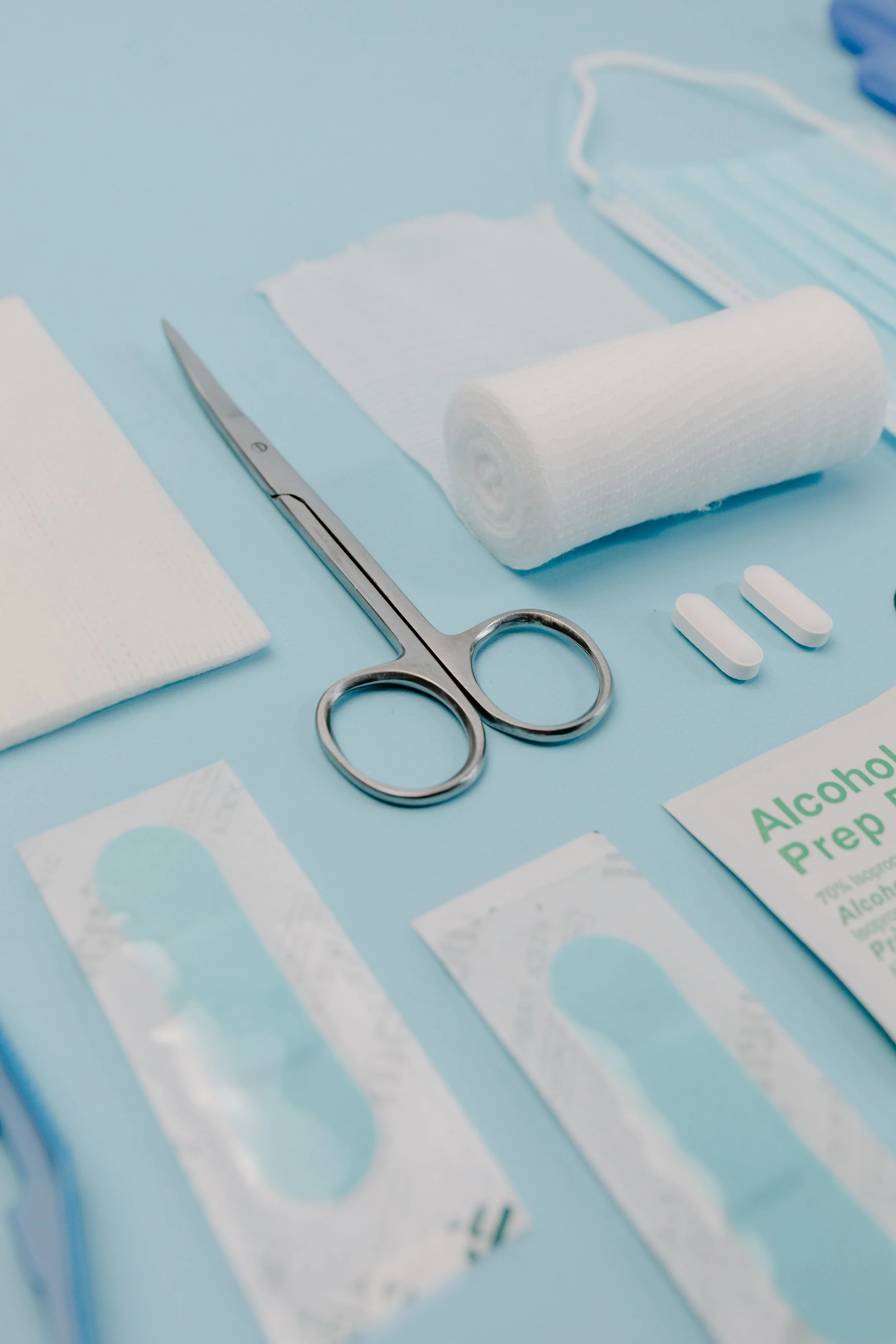
Consider keeping:
Adhesive bandages in multiple sizes
Sterile gauze pads and rolls
Medical tape
Antiseptic wound cleaning supplies
Disposable gloves
Tweezers and small scissors
Digital thermometer
Instant cold packs
Saline wound wash
Manuka Honey
An appropriate antibiotic ointment for minor wounds
Elastic bandages
Hydrocortisone cream
Antihistamines
Acetaminophen or ibuprofen, if appropriate for the household
Antacids
Oral rehydration solution
Appropriate over the counter cold, allergy, or digestive remedies
Any personal medical supplies your household regularly uses
Aloe
Silver
Something like The Wellness Company’s medical kit
Also consider prescription medications and medical devices. Keep an updated list of medications, allergies, dosages, and important medical information. Talk with your pharmacist or healthcare provider about emergency refill options and whether you can maintain an appropriate reserve of essential prescriptions.
If someone in your household relies on an inhaler, insulin, an epinephrine auto injector, a glucose monitor, oxygen, or another medical device, make a specific backup plan. Consider power requirements, batteries, storage temperatures, and what to do if normal medical services become inaccessible.
Do not stockpile prescription medications or antibiotics without professional guidance. Medications have specific indications, storage requirements, expiration dates, and risks. Having supplies on hand is useful, but taking medications without appropriate medical direction can create additional problems.
Communication
Many of us rely on our phones or computers for nearly everything, from communication and navigation to news, weather alerts, banking, and emergency information.
What happens when cellular networks or internet service are interrupted?
Consider keeping:
A battery powered or hand crank emergency radio
A NOAA Weather Radio with tone alerts
A satellite phone
Extra batteries
A portable power bank
A printed list of emergency contacts as well as working to memorize important phone numbers you may not know off hand.
Paper maps of your local area
A written family communication plan
Some cash in small denominations along with items you could barter if needed
Make sure household members know how to reach one another or where to meet if you cannot communicate by phone.
Consider signing up for local emergency alerts before you need them. Knowing where to get reliable information is just as important as having the equipment to receive it.
Sanitation and Hygiene

Water disruptions can quickly become sanitation problems. If toilets, plumbing, or waste services are unavailable, basic hygiene becomes much more difficult.
Consider keeping:
Extra Toilet paper
Extra Paper towels
Extra Soap and hand sanitizer
Disinfecting wipes
Skin wipes that you could clean your body with if water was not accessible
Household cleaning supplies
Garbage bags and heavy duty bags
Disposable gloves
Feminine hygiene products
Diapers and baby wipes, if needed
Laundry detergent
Personal hygiene products
A portable toilet or emergency sanitation supplies, if appropriate
Think about how your household would manage waste if plumbing were unavailable for an extended period. Have a plan for temporary sanitation and follow local public health instructions about disposal.
If you are suspecting long term outages, you can fill a bathtub in order to be able to flush your toilets.
Respiratory Protection and Environmental Hazards
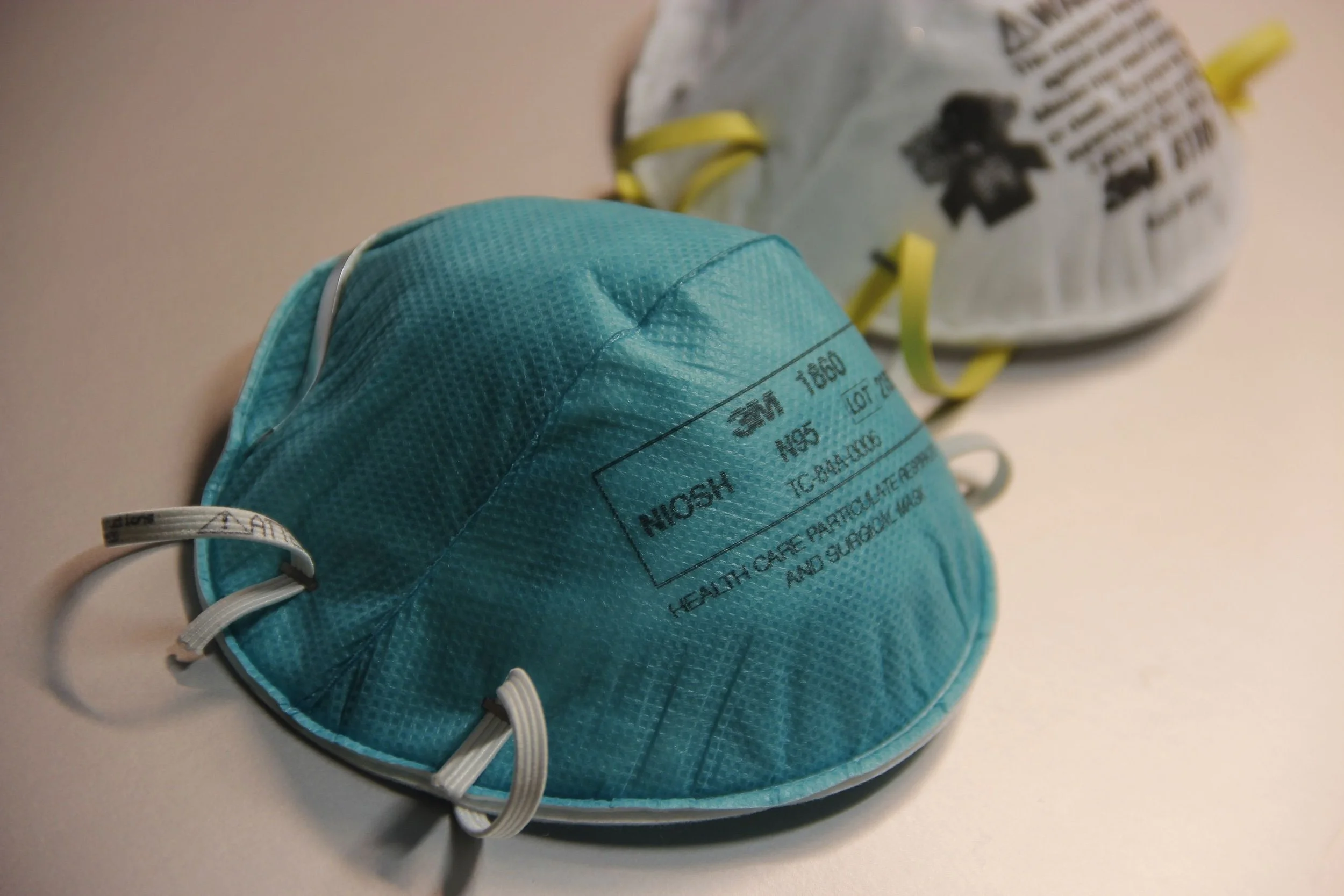
Not every emergency involves a storm or power outage. Fires, smoke, dust, industrial accidents, chemical releases, and other environmental hazards may require different forms of protection.
This is where it is important to understand the difference between masks, respirators, and air filtration.
Useful items to consider include:
NIOSH approved N95 respirators
Protective eyewear or goggles
Disposable gloves
A HEPA air purifier with appropriate replacement filters
Plastic sheeting and duct tape for certain shelter in place situations
Gas Masks
*An N95 respirator is designed to filter airborne particles. It does not protect against gases or chemical vapors. A full face respirator requires the correct cartridge for the specific hazard, proper fit, and training. There is no universal gas mask that protects against every possible chemical or environmental threat.
Do not assume that buying a gas mask makes you prepared for a chemical emergency. If an unknown release occurs, follow emergency officials' instructions about whether to evacuate or shelter indoors. The correct response depends on the substance, location, and circumstances.
Radiation Awareness
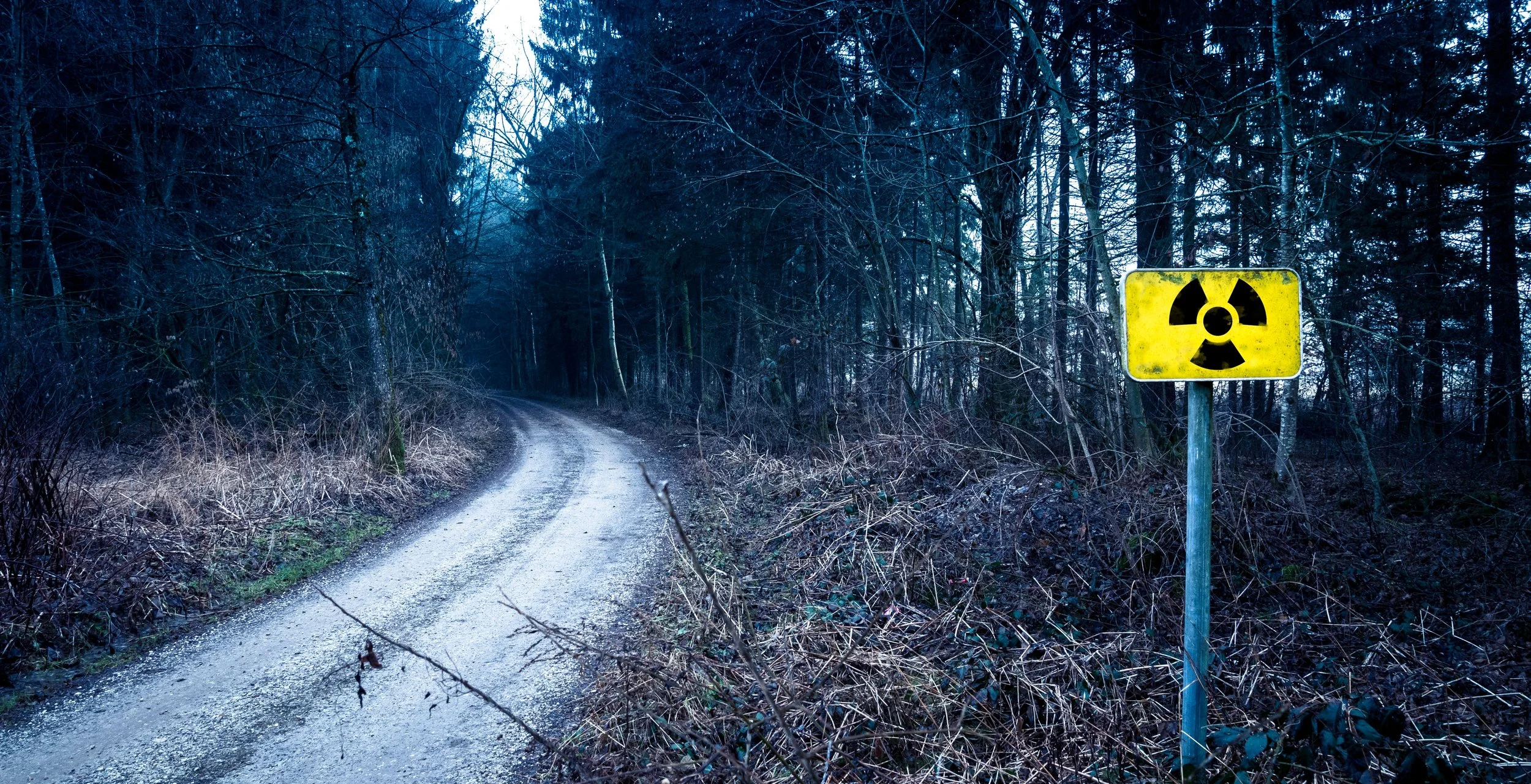
Radiation preparedness is another topic that can easily become frightening when discussed without context. It is worth understanding the basics, especially because social media often presents misleading information about radiation protection.
In a radiation emergency, the CDC emphasizes three simple instructions:
Get inside. Stay inside. Stay tuned.
Getting inside means entering a substantial building, preferably a basement or interior room away from windows and exterior walls. Staying inside means closing doors and windows and remaining sheltered until officials provide further instructions. Staying tuned means listening to emergency broadcasts and official guidance. Find ways to cover any cracks in doors or windows.
If you have been outside during a radioactive fallout event, removing your outer clothing and showering or gently washing exposed skin can help remove contamination. Follow public health instructions about food and water.
A few important things to understand:
A regular dust mask or N95 does not protect against penetrating gamma radiation
Potassium iodide (KI) only helps protect the thyroid from radioactive iodine under certain circumstances, however it is a good practice to have the tablets on hand
KI does not protect the rest of the body from radiation, prevent all radiation related illness, or treat radiation sickness
KI should only be taken when directed by public health or medical authorities. Ordinary iodine supplements and iodized salt are not substitutes
Boiling water does not remove radioactive material
It is also worth knowing that food and water already stored indoors or sealed in containers may be safe in certain radiation emergencies. Do not assume everything must be discarded. Follow official guidance specific to the situation.
This is not about expecting a nuclear emergency. It is about understanding what actually helps rather than spending money on products that may offer little or no protection.
Emergency Equipment and Household Essentials
Beyond food, water, and medical supplies, there are practical tools that can make a significant difference during an emergency.
Consider keeping:
A multipurpose tool
Adjustable wrench and pliers
Manual can opener
Fire extinguisher
Working smoke and carbon monoxide alarms
Waterproof matches or lighters
Whistle for signaling
Duct tape
Tarps and rope
Work gloves
Blankets and sleeping bags
Weather appropriate clothing and sturdy shoes
A waterproof container for important documents
Paper copies of identification, insurance information, and medical records
Cash
Basic vehicle emergency supplies
If you have a vehicle, consider a separate car emergency kit with water, shelf stable snacks, a flashlight, first aid supplies, blankets, jumper cables or a jump starter, a tire inflator, and basic tools.
Keep supplies organized and accessible. An emergency kit is not very useful if nobody knows where it is or how to use it.
If you are able keep these emergency things in a safe area together in the event you needed to grab something fast and leave. Have enough bags for everyone in the household containing supplies mentioned in this article.
Learn the Skills That Make You Less Dependent
Preparedness is about more than buying things and going down a checklist. In fact, some of the most valuable resources you can develop cannot be purchased.
Consider learning:
Basic first aid and CPR
How to use a fire extinguisher
Safe operation of a generator or portable power station
How to purify water using appropriate methods
Food Preservation
How to grow your own food
How to recognize carbon monoxide exposure and other environmental hazards
How to use an emergency radio
Navigation with a paper map
How to start a fire
Basic Hunting Skills
Foraging Skills ( native plants that are edible)
Native plants that are safe/poisonous (mushrooms, berries etc.)
Basic Survival Skills > Here is my favorite book for beginners
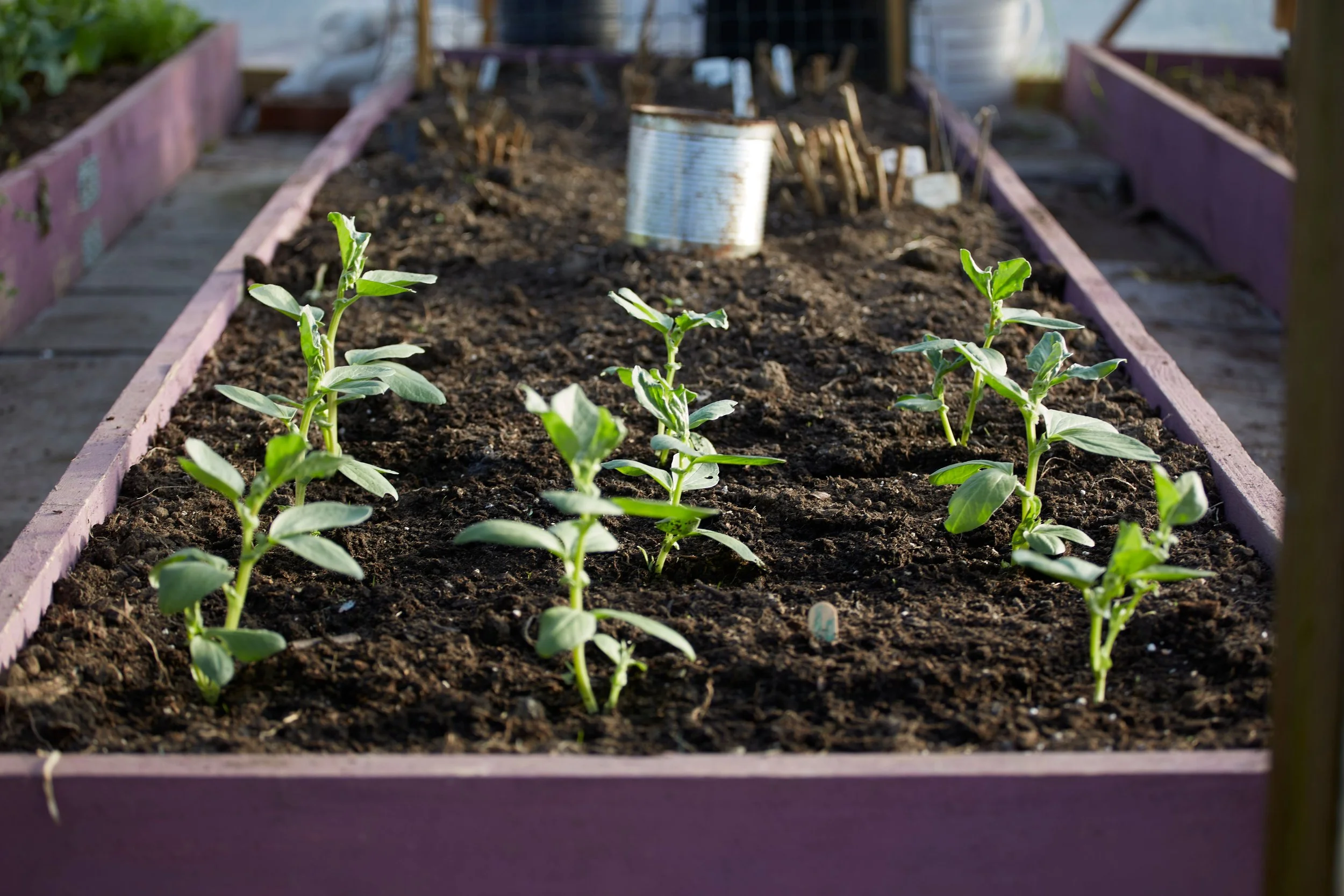
Gardening, composting, food preservation, and learning to cook with basic pantry ingredients can all contribute to greater household resilience. You do not need to become completely self sufficient to benefit from these skills.
Community is another important part of preparedness. Get to know your neighbors. Share useful skills and resources. Consider who in your community may need additional assistance during an emergency, including older adults, people with disabilities, and families with young children.
A neighborhood with people who communicate and help one another is more resilient than a collection of households preparing in isolation.
Prepared, Not Paralyzed
The purpose of preparedness is to reduce vulnerability, not to announce that disaster is around the corner.
At the same time, we do not need to wait for a crisis or an official warning to recognize how dependent our households have become on systems that can be interrupted.
The answer isn't to panic, empty store shelves, or spend thousands of dollars preparing for every imaginable catastrophe. It is to become a little less vulnerable, one practical step at a time.
Start with the basics. Water, food, essential medications, first aid supplies, lighting, communication, and sanitation. Build gradually. Rotate what you store. Consider the unique needs of your household. Learn how to use the equipment you purchase, and stay informed through credible sources rather than fear driven headlines.
Staying Grounded in Uncertain Times
We can buy all of the things and have a massive stockpile of emergency supplies but having all of this is not where our security lies. Home is where the heart is, sounds cliché but it’s true, especially in trying times. If you have or had love then that is everything. Let if be your guiding force.
The one who created the earth, sees all, and knows what to come. One day all of this will pass away and there is no fortress we can build or item we can buy to prevent it. We came with nothing and will leave with nothing except our faith, our love, and our beliefs. If you don’t already I urge you to be open to beginning a faith practice and immerse yourself in learning about things beyond this world. You can make it your own, all it requires is your willingness and openness. Security doesn’t reside in any tangible thing on this earth. it is not something we can create on our own, it comes from above. The sooner we all accept that the sooner we will feel that inner peace that no person nor emergency event could take from us. If you don’t know where to start, In Touch Ministries provides a beautiful daily devotional that you can receive in the mail ( yes an actual booklet) or in your email. You can sign up here it is completely free. Countless times this little book has saved me from hopelessness and overwhelm. Even if you don’t use this devotional I pray you can find your path to a faith practice that makes you feel, secure, whole, steadfast and at peace.

Wishing you ongoing wellbeing & managed health,

A few trusted resources
This article is for general educational purposes and is not a substitute for professional medical, emergency management, or public health guidance. Emergency recommendations vary depending on the type of event and local conditions. Always follow instructions from qualified authorities